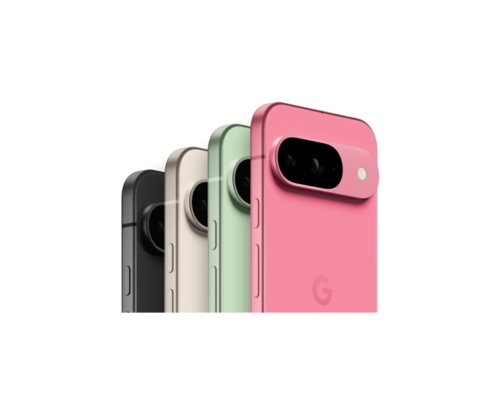
Why Google Pixel Phone Stands Apart: The Core Differentiators in 2026
Google Pixel Phone is engineered entirely by Google and represents a rare case of a smartphone manufacturer designing both hardware and software from the ground up, rather than licensing Android and customising it. This vertical integration means the Tensor G5 processor, camera algorithms, and Gemini AI are optimised specifically for Pixel's hardware, creating performance synergies unavailable on phones using generic Snapdragon chips. The Pixel 10 series, launched in 2026, includes four models: the standard Pixel 10 (£549–£799), Pixel 10 Pro (£899–£1,199), Pixel 10 Pro XL (£999–£1,299), and Pixel 10 Pro Fold (£1,749+).
The most significant differentiator is Google's commitment to seven years of major OS updates and monthly security patches, extending software support through 2033 for a device purchased today. This is substantially longer than Samsung Galaxy's five-year commitment or OnePlus's four-year guarantee, and it directly addresses a pain point for UK consumers: device obsolescence. A Pixel phone purchased in 2026 will receive Android 17, 18, 19, 20, 21, 22, and 23 as they release annually, plus Pixel Drops (feature releases) every quarter. This longevity reduces the pressure to upgrade every two years and lowers total cost of ownership for users planning to keep their phone beyond three years.
Gemini AI integration is the second major differentiator. Unlike Samsung Galaxy AI or Apple Intelligence, which rely heavily on cloud processing, Pixel's Gemini Nano runs directly on the device for core functions—summarising emails, drafting messages, analysing photos—without requiring internet connectivity. This on-device approach offers privacy benefits (your data stays on your phone) and speed advantages (no cloud latency). For UK consumers concerned about data privacy or working in areas with poor connectivity, this is a meaningful advantage.
Camera Performance: Where Pixel Phone Genuinely Leads the Market
The Pixel 10 Pro's camera system is the most frequently cited reason UK consumers choose Pixel over competing flagship phones, and the specifications justify this reputation. The primary sensor is a 50MP wide-angle camera with f/1.68 aperture, paired with a 48MP ultra-wide and a 10MP telephoto offering 5x optical zoom and up to 100x digital zoom (marketed as "Super Res Zoom"). The zoom capability is genuinely unique at this price point—Samsung Galaxy S25's maximum zoom is 50x, and iPhone 16 Pro maxes out at 12MP telephoto with 5x optical zoom. For users who shoot distant subjects (wildlife, sports, events, architecture), Pixel's zoom range is a tangible advantage.
Night Sight, Pixel's computational photography system for low-light shooting, has been refined significantly in the Pixel 10 generation. The system combines multi-frame capture, AI-powered noise reduction, and real-time processing to produce bright, detailed images in near-darkness—a feat that requires either expensive camera hardware or sophisticated software. Competitors' low-light modes are competent but noticeably noisier and less detailed. For content creators, journalists, or users who frequently shoot indoors or at night, this is a practical differentiator that could save money on lighting equipment or external camera purchases.
The tension here is that camera performance depends heavily on how you use it. If you shoot primarily in daylight, use standard zoom (5–10x), and rarely photograph in low light, the difference between Pixel and Samsung Galaxy or iPhone is marginal—all three produce excellent daylight photos. The Pixel's advantage emerges only when you push the boundaries: extreme zoom, low light, or computational tasks like real-time scene recognition and AI-powered composition suggestions (Camera Coach). For casual smartphone photographers, a £549 Pixel 10 and a £899 Pixel 10 Pro produce nearly identical results; the Pro's advanced features are genuinely valuable only if you use them regularly.
Tensor G5 Processor and Real-World Performance: What It Means for Daily Use
Google's custom-designed Tensor G5 chip is the fastest processor in the Pixel lineup and matches or exceeds the latest Snapdragon 8 Gen 3 (used in Samsung Galaxy S25 and OnePlus 13) in benchmark tests. However, raw benchmark numbers tell only part of the story. The Tensor G5 is optimised specifically for AI and machine learning tasks—image processing, language models, real-time translation—rather than pure gaming performance. This means the Pixel 10 excels at computational photography, voice recognition, and Gemini AI features, but may perform identically to competing phones in everyday tasks like email, browsing, and social media.
In practical terms, the Tensor G5 delivers imperceptible speed advantages for most UK users. Opening apps, scrolling through social media, and responding to messages feel equally fast on a Pixel 10, Galaxy S25, or iPhone 16. The Tensor's advantage becomes visible only in specific scenarios: processing a 100x zoom photo (Pixel does this faster), running Gemini AI tasks offline (Pixel processes locally, competitors rely on cloud), or editing video in real-time (Pixel's video processing is optimised). For users who do not engage in these specific tasks, the processor choice is largely irrelevant to perceived performance.
Battery life on the Pixel 10 series is competitive but not exceptional. Google claims 24 hours of typical use and up to 72 hours with Extreme Battery Saver enabled. In real-world testing by UK tech reviewers, the Pixel 10 Pro achieves 18–20 hours of mixed use (social media, email, calls, some gaming), which is standard for flagship phones. The Pixel 10 (non-Pro) achieves slightly less due to a smaller battery, and the Pro Fold achieves similar longevity despite its larger screen due to a larger battery capacity. If you are a heavy user (8+ hours of screen time daily), you will need to charge every evening regardless of which flagship phone you choose. Battery longevity (how long the battery retains capacity over years) is where Pixel excels—Google's optimisation of charging algorithms means Pixel batteries degrade more slowly than competing phones, maintaining 80%+ capacity after three years of daily use.
Seven Years of Software Support: The Hidden Value Proposition
Google's commitment to seven years of major OS updates is the most underrated feature of Pixel Phone and the primary reason to choose Pixel if you plan to keep your phone beyond three years. To understand why this matters, consider the typical smartphone lifecycle: a flagship phone costs £800–£1,200, and most users upgrade every 2–3 years because their phone feels slow, apps crash, or the OS becomes outdated. This cycle is driven partly by genuine hardware degradation but largely by software obsolescence—older phones receive fewer updates, apps require newer OS versions, and security patches stop arriving.
Pixel's seven-year commitment changes this equation. A Pixel 10 Pro purchased in 2026 for £899 (or £809 with the 10% referral discount) will receive major OS updates through 2033, meaning it will run Android 23 when it launches in 2032. This is the same OS version that will run on flagship phones purchased in 2032, making a seven-year-old Pixel feel current in terms of software features and security. By contrast, a Samsung Galaxy S25 purchased in 2026 will stop receiving major updates in 2029, meaning it will be running Android 19 (three versions behind) by 2032. This creates a tangible performance and security gap.
The practical implication is that a Pixel phone has a longer usable lifespan than competing Android phones. If you keep your phone for five years, a Pixel will receive three more years of updates than a Galaxy, reducing the pressure to upgrade and lowering your total cost of ownership. For environmentally conscious consumers, this also reduces e-waste—a Pixel phone can be used productively for longer before becoming obsolete. The trade-off is that Pixel phones are priced at a premium (£549–£1,749 vs Galaxy's £299–£1,099 range), so the total cost of ownership advantage only materialises if you actually keep the phone for 4+ years rather than upgrading every two years.
To contextualise this value, consider two scenarios: (1) You purchase a Pixel 10 Pro for £809 (after 10% discount) and keep it for five years. Total cost: £809 ÷ 5 years = £161.80 per year. (2) You purchase a Samsung Galaxy S25 for £799 and upgrade to a new Galaxy after four years (when updates stop). Total cost: (£799 + £799) ÷ 4 years = £399.75 per year. The Pixel's longer software support window makes it cheaper on a per-year basis, even though the upfront cost is similar. This is the hidden value proposition that most UK consumers overlook when comparing phones on price alone. See the full offer and discount code details to understand how the 10% referral saving amplifies this long-term value.
Practical Limitations: Where Pixel Phone Falls Short
Despite its strengths, Pixel Phone has genuine limitations that matter for specific use cases. The lack of microSD card expansion means you are locked into your chosen storage capacity (128GB, 256GB, 512GB, or 1TB). If you purchase a 128GB model and later need more space for photos, videos, or apps, you cannot expand—you must either delete content or purchase a more expensive model. This is a deliberate design choice by Google (and Apple) to simplify the user experience and encourage cloud storage adoption, but it is a real constraint for users who prefer local storage or have limited cloud storage budgets.
The absence of a 3.5mm headphone jack is another limitation for users with wired headphones or audio equipment. Pixel phones require Bluetooth headphones, USB-C adapters, or wireless earbuds. If you own expensive wired headphones or work in an environment where wireless audio is impractical (recording studios, live events), this is a genuine inconvenience. Google's rationale is that wireless audio is now standard and removing the jack reduces phone thickness, but this remains a barrier for some users.
Colour and variant availability at launch is a recurring frustration for Pixel buyers. When new Pixel models launch, popular colours (Moonstone, Obsidian) often sell out within days, and certain storage + colour combinations may not be available for 4–8 weeks. This is a supply chain issue rather than a product flaw, but it affects the buying experience—you may be forced to choose an unpopular colour or wait weeks for your preferred option. UK retailers (Currys, John Lewis) sometimes have better stock than Google Store, but they typically do not offer the 10% referral discount, so you trade availability for savings.
Software bugs in the first 2–4 weeks after a major OS update or new model launch are another known issue. Pixel phones occasionally experience battery drain, camera lag, or connectivity issues immediately after a new Android version releases. These are typically resolved within weeks via Pixel Drop updates, but early adopters may encounter frustration before fixes arrive. If you are risk-averse or cannot tolerate minor software issues, waiting 2–3 weeks after a new Pixel launch before purchasing is a sensible strategy.
Is Google Pixel Phone Worth the Price for UK Buyers in 2026?
The answer depends on three factors: (1) your use case and priorities, (2) your intended upgrade cycle, and (3) your sensitivity to the upfront cost. For photography enthusiasts, content creators, and users planning to keep their phone for 4+ years, Pixel Phone delivers genuine value that justifies the premium pricing. The combination of advanced camera capabilities (100x zoom, Night Sight, AI-powered composition), seven-year software support, and seamless Gemini AI integration creates a compelling package unavailable on competing phones at equivalent price points. The 10% referral discount (£54.90–£174.90 depending on model) further improves the value proposition, making Pixel competitive with Samsung Galaxy and OnePlus on total cost of ownership.
For mainstream users who prioritise budget and do not need professional camera features, the Pixel 10 at £549 (or £494 with discount) is a strong entry-level flagship. However, if you upgrade every two years or primarily use your phone for email, messaging, and social media, a mid-range phone like Samsung Galaxy A series (£299–£499) or OnePlus Nord (£349–£499) delivers 80% of the performance at 50% of the cost. The Pixel's advantages (seven-year updates, advanced camera, Gemini AI) matter only if you use them. For users indifferent to these features, the premium is not justified.
The referral discount is a meaningful factor in the decision calculus. A Pixel 10 Pro at £809 (after 10% discount) is only £10 more than a Samsung Galaxy S25 at £799, yet it offers superior camera zoom, longer software support, and better AI integration. This pricing parity makes Pixel the rational choice for anyone considering a flagship Android phone in 2026. Without the discount, the Pixel 10 Pro at £899 is £100 more expensive than Galaxy S25, which is a meaningful premium for features that not all users will value. The discount narrows this gap significantly.
Our editorial verdict: Google Pixel Phone is worth the price for UK consumers who value long-term software support, advanced camera capabilities, or seamless AI integration. The seven-year update commitment is a genuine differentiator that extends device longevity and reduces total cost of ownership for users keeping their phone beyond three years. The 10% referral discount makes Pixel competitive with Samsung Galaxy and OnePlus on upfront cost, eliminating the primary objection to choosing Pixel. If you are a casual smartphone user who upgrades every two years and does not use advanced camera features, a mid-range phone is a more rational choice. For everyone else, Pixel deserves serious consideration.
About This Article
This article was written by the UseMyCode editorial team and last reviewed on 24 October 2026. UseMyCode independently verifies every referral link and discount code before publication. This page may contain affiliate links — see our editorial policy for details.